
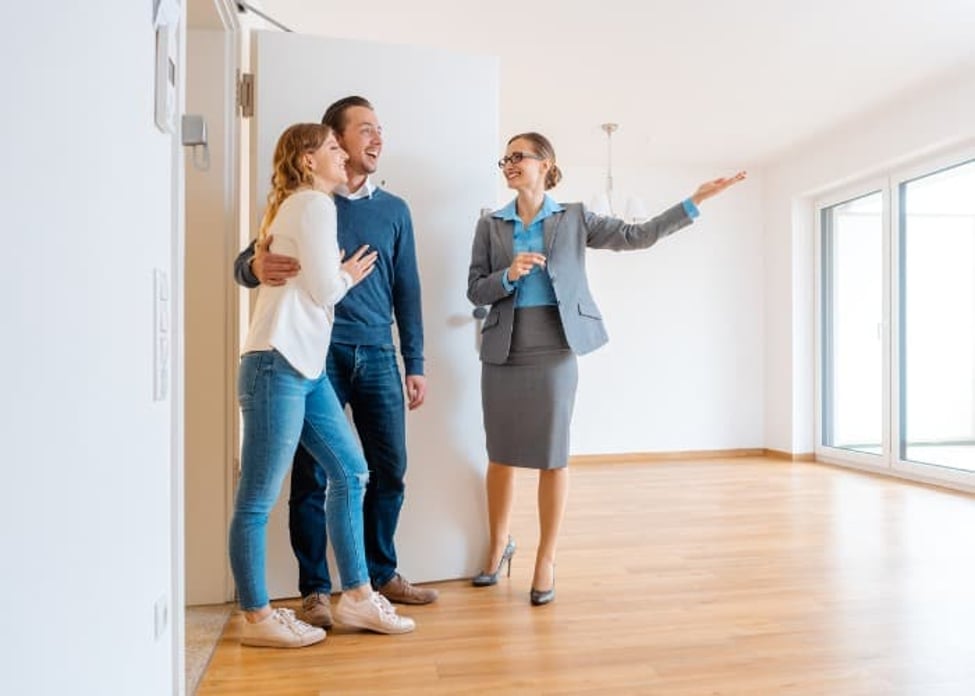
Buying your first home in Ottawa is a major financial and lifestyle decision, but most buyers only see the surface-level steps. This guide is for first-time homebuyers in Ottawa who want to understand what actually happens behind the scenes—before making costly mistakes.
It covers practical, lesser-known realities of the Ottawa real estate market, including financing surprises, negotiation dynamics, and neighborhood-specific considerations. If you're planning to buy in areas like Barrhaven, Kanata, Orléans, Centretown, Glebe, or Hintonburg, this will help you make more informed decisions in 2026.
1. Your “Pre-Approval” Is Not a Final Approval
Many buyers assume a mortgage pre-approval guarantees financing. It doesn’t.
Lenders can still reassess your situation before final approval based on:
- Employment changes
- Credit score updates
- Property appraisal results
- Debt increases
In Ottawa’s competitive segments (especially Kanata and Barrhaven), it’s important to stay financially stable after pre-approval.
2. The Listed Price Is Not the Real Price
In Ottawa, the list price is often just a starting point.
Depending on the neighbourhood:
- Competitive areas like Glebe and Centretown may sell above asking
- Suburban areas like Orléans or Barrhaven may still see conditional negotiations
- New developments may include upgrades that increase final cost
Always budget beyond the listing price to avoid surprises.
3. Closing Costs Are Often Underestimated
Most first-time buyers focus on the down payment, but closing costs can add up quickly.
Common closing costs in Ottawa include:
- Land transfer tax
- Legal fees
- Home inspection
- Title insurance
- Adjustments (utilities, taxes, etc.)
A realistic estimate is 3%–5% of the purchase price.
4. Not All Ottawa Neighbourhoods Appreciate the Same Way
Home value growth varies significantly across Ottawa.
General trends:
- Centretown & Glebe: strong long-term demand, limited supply
- Kanata: driven by tech sector employment
- Barrhaven & Orléans: steady suburban growth
- Hintonburg: rapid gentrification and rising prices
Understanding location trends is just as important as the home itself.
5. Condition vs. Cosmetics Matters More Than You Think
First-time buyers often focus on finishes instead of structure.
What matters more:
- Roof age
- Furnace and HVAC condition
- Foundation integrity
- Plumbing and electrical systems
Cosmetic upgrades are easier and cheaper than structural repairs.
6. You May Need to Compromise More Than Expected
In Ottawa’s market, most first-time buyers do not get everything on their wishlist.
Common trade-offs include:
- Location vs. property size
- Renovated vs. original condition
- Detached home vs. townhouse or condo
Being flexible increases your chances of securing a property faster.
7. Condo Fees Can Change Your Budget Significantly
In Ottawa condos, monthly fees vary widely depending on:
- Building age
- Amenities (gym, concierge, elevators)
- Reserve fund health
Always factor condo fees into your total monthly affordability—not just mortgage payments.
8. Inspection Results Can Change the Deal
A home inspection is not just a formality.
It can lead to:
- Price renegotiation
- Repair requests
- Financing reconsideration
- In rare cases, walking away
This is especially important for older homes in Centretown, Glebe, and Hintonburg.
9. “Holding Costs” Start Immediately After Purchase
Owning a home starts costing money right away, beyond the mortgage.
These include:
- Utilities (hydro, water, gas)
- Property taxes
- Insurance
- Maintenance and repairs
Many first-time buyers underestimate these ongoing expenses.
10. The Right Strategy Matters More Than Timing the Market
Trying to “wait for the perfect time” rarely works in Ottawa real estate.
What matters more:
- Financial readiness
- Local market understanding
- Strong offer strategy
- Long-term planning
Well-prepared buyers often outperform those trying to time the market perfectly.
Frequently Asked Questions About Buying a First Home in Ottawa
1. How much do I need for a down payment in Ottawa?
The minimum down payment depends on the home price. For homes under $500,000, you typically need at least 5%. Higher-priced homes require a larger percentage.
2. What is the average home price in Ottawa for first-time buyers?
Prices vary by neighbourhood, but many first-time buyers look between $400,000 and $700,000 depending on whether they are buying a condo, townhouse, or entry-level detached home.
3. Is Ottawa a good city for first-time homebuyers?
Yes, Ottawa is considered one of Canada’s more stable real estate markets. It offers a balance of government employment stability, tech sector growth, and diverse housing options.
4. What are the best neighbourhoods in Ottawa for first-time buyers?
Popular areas include Barrhaven, Orléans, and Kanata for affordability and family living. Centretown, Hintonburg, and the Glebe are preferred for urban lifestyles but come at higher prices.
5. Do I need a real estate agent as a first-time buyer in Ottawa?
While not required, working with a local agent helps you navigate pricing, negotiations, and legal processes. It can also help you avoid costly mistakes in competitive situations.
6. How long does it take to buy a home in Ottawa?
On average, the process takes 30 to 90 days from starting your search to closing, depending on financing and market conditions.
7. What hidden costs should I expect when buying a home?
Beyond the purchase price, expect closing costs, maintenance expenses, insurance, and potential repairs. These can significantly affect your monthly budget.
Thinking About Buying in Ottawa?
If you're planning your first home purchase in Ottawa and want to better understand your options, a clear strategy can make the process significantly easier and less stressful.
A short conversation with a local professional can help you:
- Understand your real budget
- Identify suitable neighbourhoods
- Avoid common first-time buyer mistakes
No pressure—just practical guidance based on the Ottawa market.

