
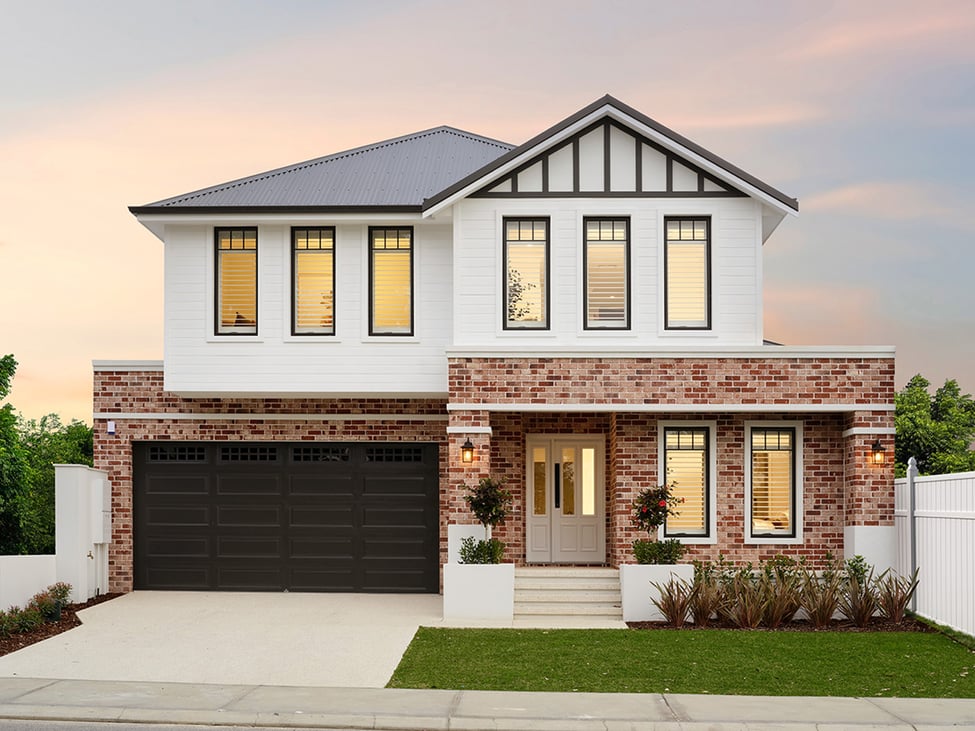
This article is for buyers in Ottawa who rely on listing photos to shortlist homes. While photos are a useful starting point, they don’t always reflect how a property actually feels in person. Understanding this gap can help you avoid disappointment and make more informed decisions during your search.
The Photo vs. Reality Gap
It’s becoming more common:
A listing looks bright, spacious, and polished online…
Then you walk in and it feels completely different.
What buyers often notice:
- Rooms feel smaller than expected
- Lighting is darker or uneven
- Layout feels less functional in person
- Overall impression doesn’t match the photos
This isn’t always intentional—it’s often a result of how properties are photographed and presented.
Why Listings Look Better Online
1. Wide-Angle Lenses
Professional photography often uses wide-angle lenses to capture more of a room in one frame.
What this does:
- Makes rooms appear larger
- Creates a more open feel
- Minimizes tight spaces
In reality, proportions can feel very different when you’re physically in the space.
2. Lighting and Editing
Photos are often taken with:
- Enhanced brightness
- Warm-toned lighting
- Post-editing adjustments
This can create a cozy, inviting atmosphere online—but in person, the space may feel:
- Dim
- Yellow-toned
- Less vibrant overall
3. Strategic Angles
Photos are carefully chosen to highlight strengths and minimize weaknesses.
For example:
- Tight corners are avoided
- Awkward layouts aren’t obvious
- Storage limitations may not be shown
This means you’re often seeing the best version of the home—not the full picture.
4. Basements and Lower Levels
Basements are one of the biggest areas where expectations don’t match reality.
Online:
- Bright, clean, and spacious
In person:
- Lower ceilings
- Limited natural light
- Smaller or more confined spaces
This is a common surprise for many buyers.
Renovations That Look Better in Photos
Another trend buyers are noticing is how some “renovated” homes appear more polished online than they feel in person.
Up close, you may notice:
- Misaligned cabinets
- Uneven flooring
- Lower-quality finishes
- Quick cosmetic upgrades
Photos don’t always capture workmanship or material quality.
Why This Matters for Buyers
Relying too heavily on photos can lead to:
- Wasted time on showings
- Misaligned expectations
- Overestimating value
The reality is: photos are a marketing tool, not a full representation of the home.
How to Evaluate Listings More Effectively
To avoid surprises:
- Look Beyond the Photos
Pay attention to room dimensions, layout, and floor plans. - Watch for Red Flags
Overly wide shots or limited angles may signal tight spaces. - Prioritize In-Person Showings
How a home feels matters more than how it photographs. - Focus on Function Over Aesthetics
Layout, light, and flow are more important than visual appeal.
Frequently Asked Questions
Are listing photos misleading on purpose?
Not necessarily. They are designed to present the home in the best light, but that doesn’t always reflect real-life experience.
Why do rooms look bigger in photos?
Wide-angle lenses create a sense of space that doesn’t always match actual dimensions.
Are renovations always as good as they look online?
Not always. Photos can hide workmanship issues or lower-quality materials.
Should I trust listing photos when deciding to buy?
Photos are helpful for shortlisting, but they should never replace an in-person evaluation.
What’s the biggest mistake buyers make with listings?
Assuming the photos accurately represent size, lighting, and overall feel.
How can I avoid disappointment during showings?
Set realistic expectations, review details carefully, and prioritize properties that align with your functional needs.
In today’s Ottawa market, the gap between listing photos and real-life experience can be significant. Homes that look perfect online don’t always translate the same way in person.
The buyers who make the best decisions are the ones who look beyond the photos and focus on how a home actually feels.
If you want help filtering listings and identifying properties that truly match your expectations, a quick strategy conversation can help you navigate the market more effectively.

