
How Population Growth Is Changing Ottawa Real Estate in 2026

Ottawa is growing—and that growth is having a significant impact on the local housing market. As the city's population continues to increase, demand for housing, infrastructure, and community services is reshaping where people live, what they buy, and how neighborhoods develop.
For buyers, sellers, and investors, understanding the relationship between population growth and real estate is essential. Population trends often influence housing demand years before they show up in home prices.
This guide explains how Ottawa's growing population is changing the real estate market and what it could mean for the years ahead.
Why Ottawa's Population Is Growing
Ottawa continues to attract new residents for several reasons:
- Stable employment opportunities
- Federal government jobs
- Expanding technology sector
- High quality of life
- Relative affordability compared to larger Canadian cities
- Immigration and interprovincial migration
As more people choose Ottawa as a place to live and work, housing demand naturally increases.
More People Means More Housing Demand
The most direct impact of population growth is increased demand for housing.
New residents need:
- Rental properties
- Condominiums
- Townhomes
- Detached homes
As demand grows, pressure is placed on available housing inventory throughout the city.
This is one reason why Ottawa continues to experience strong long-term housing demand despite market fluctuations.
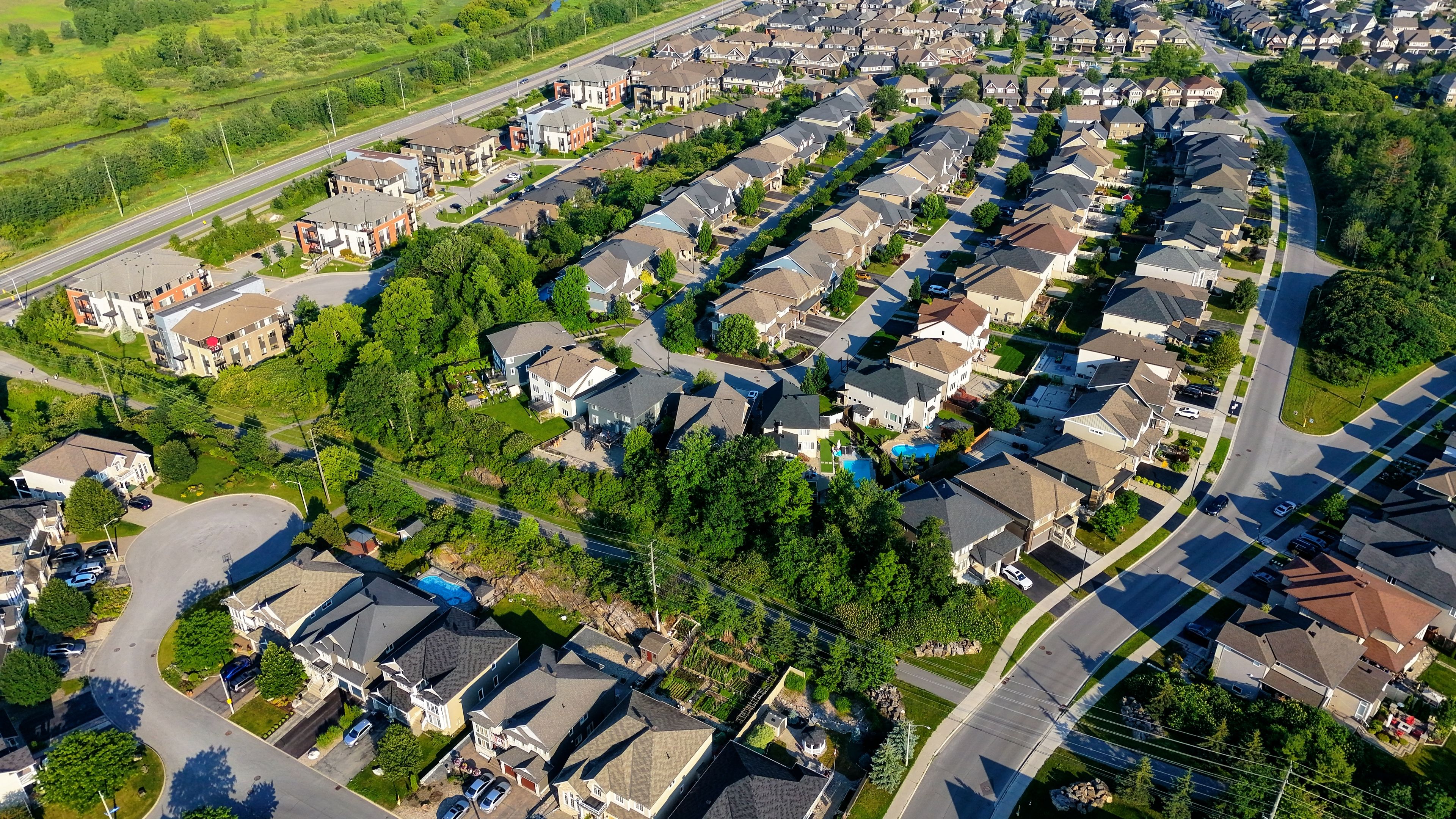
Suburban Communities Are Expanding Faster
A large portion of Ottawa's population growth is occurring outside the city core.
Communities such as:
- Barrhaven
- Kanata
- Orléans
- Riverside South
- Stittsville
continue to attract buyers seeking more space and newer housing options.
These neighborhoods offer:
- New construction opportunities
- Family-oriented communities
- Access to schools and parks
- Larger homes compared to many central neighborhoods
As a result, suburban development remains a major part of Ottawa's growth strategy.
Demand for Townhomes Continues to Rise
As housing affordability becomes a greater challenge, many buyers are turning to townhomes.
Townhomes offer:
- Lower entry prices than detached homes
- More space than many condos
- Family-friendly layouts
- Strong resale demand
Population growth is helping drive continued demand for this property type, particularly among first-time buyers and young families.
More Demand for Rental Housing
Population growth does not only affect homeownership.
It also increases demand for:
- Purpose-built rentals
- Condominiums for rent
- Basement apartments
- Secondary dwelling units
As Ottawa attracts students, newcomers, and young professionals, rental housing continues to play an increasingly important role in the market.
Infrastructure Is Shaping Real Estate Demand
Population growth often leads to infrastructure investment.
Examples include:
- Transit expansion
- Road improvements
- New schools
- Community centers
- Recreation facilities
Areas benefiting from infrastructure improvements often experience stronger housing demand because they become more attractive places to live.
Neighborhoods near current and future LRT stations continue to receive significant attention from buyers.
Intensification Is Becoming More Common
With limited land available in established neighborhoods, Ottawa is increasingly focusing on intensification.
This includes:
- Infill housing
- Multi-unit developments
- Low-rise apartment projects
- Redevelopment of underutilized land
Neighborhoods such as Hintonburg, Centretown, and areas near transit corridors are seeing more of this type of development.
The goal is to accommodate growth without relying entirely on suburban expansion.
Competition for Well-Located Homes Is Increasing
As the population grows, buyers become more selective about location.
Properties located near:
- Schools
- Transit
- Employment centers
- Shopping and amenities
- Parks and recreation
often experience stronger demand and greater long-term appeal.
This trend is contributing to price differences between neighborhoods throughout Ottawa.
How Population Growth Affects Home Prices
Population growth alone does not automatically increase home prices.
However, when population growth outpaces housing supply, it can create:
- Increased competition among buyers
- Reduced inventory levels
- Upward pressure on prices
- Higher demand for rental housing
The balance between new housing construction and population growth will continue to influence Ottawa's market performance.
What This Means for Buyers
For buyers, population growth means:
More Competition in Desirable Areas
Popular neighborhoods may become harder to enter over time.
Greater Importance of Long-Term Planning
Buying in an emerging area may offer future growth potential.
More Diverse Housing Options
New developments are creating a wider range of housing types and price points.
What This Means for Sellers
For sellers, population growth generally supports long-term housing demand.
Homes that are:
- Well-maintained
- Properly priced
- Located near amenities
are likely to continue attracting strong buyer interest.
However, pricing and presentation remain critical, especially in a more balanced market environment.
The Key Insight Most People Miss
Population growth does not affect every neighborhood equally.
The areas that benefit most are typically those that combine:
- Housing supply constraints
- Good transportation access
- Strong amenities
- Employment opportunities
- Desirable lifestyle features
Understanding where growth is happening can be just as important as understanding how much growth is occurring.
Frequently Asked Questions
Is Ottawa's population still growing?
Yes. Ottawa continues to experience population growth through immigration, interprovincial migration, and natural population increases.
How does population growth affect housing demand?
More residents create greater demand for ownership and rental housing, which can increase competition and support long-term market stability.
Which Ottawa neighborhoods are growing the fastest?
Suburban communities such as Barrhaven, Kanata, Orléans, Riverside South, and Stittsville continue to experience significant growth.
Does population growth increase home prices?
It can, particularly when housing supply cannot keep pace with demand. However, interest rates, inventory levels, and economic conditions also play important roles.
Why are townhomes becoming more popular?
Townhomes offer a balance of affordability, space, and functionality, making them attractive in a growing city.
How does transit expansion affect real estate?
Improved transit access often increases neighborhood desirability and can support stronger housing demand over time.
Is Ottawa still a good long-term real estate market?
Many buyers and investors view Ottawa as a stable market due to its diversified economy, population growth, and ongoing demand for housing.
Let’s Talk About Your Next Move
Population growth is reshaping Ottawa's housing market, but the impact varies from one neighborhood to another. Whether you're buying, selling, or planning for the future, understanding where demand is growing can help you make more informed real estate decisions. A conversation focused on your goals and target areas can provide valuable local insight into today's market opportunities.