
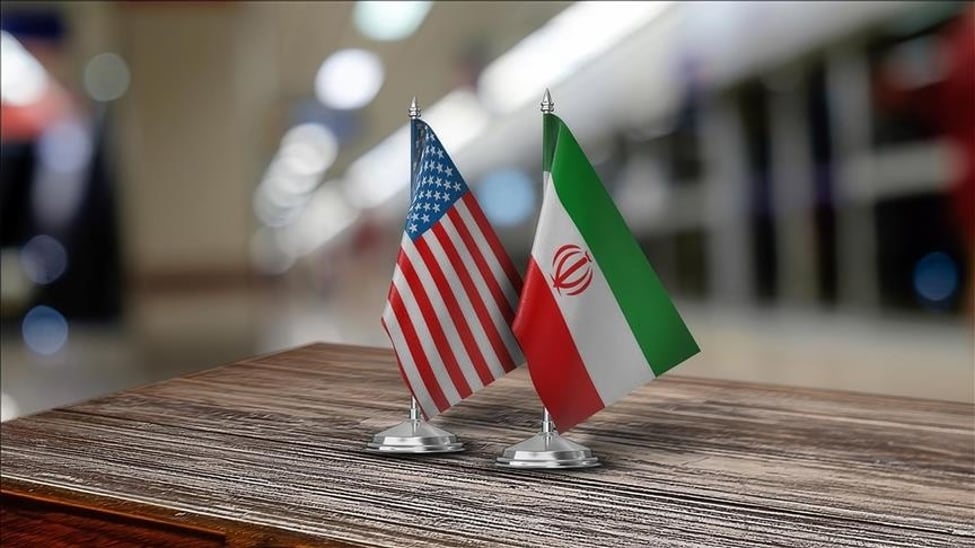
This article is for buyers, sellers, and investors in Canada—especially those watching how global events affect real estate. A recent ceasefire between the U.S. and Iran is already influencing financial markets, and while the impact on housing isn’t immediate, the ripple effects are starting to show.
First: Why a Ceasefire Matters to Housing
At first glance, a geopolitical ceasefire might not seem connected to real estate—but it directly affects:
- Oil prices
- Inflation
- Interest rates
- Mortgage costs
And those are core drivers of housing affordability in Canada.
1. Falling Oil Prices Could Ease Inflation
One of the biggest immediate impacts of the ceasefire is on energy markets.
- Oil prices dropped sharply after the announcement
- Markets reacted positively, expecting reduced global disruption
Why this matters:
Lower oil prices → lower inflation pressure → more stable economy
Since the 2026 Iran war previously caused one of the largest global energy disruptions in history, pushing prices and inflation higher , any relief is significant.
2. Mortgage Rates Could Start Moving Down
This is where things get very relevant for housing.
- Canadian bond yields dropped following the ceasefire
- Lower bond yields often lead to lower fixed mortgage rates
Translation for buyers:
- Monthly payments could improve
- Borrowing power may increase slightly
But:
👉 It’s still early, and volatility remains
3. Buyer Confidence May Improve
Markets reacted quickly to the ceasefire with rising stocks and reduced volatility
That signals something important:
👉 Confidence is returning
For housing, that means:
- Buyers who were “waiting” may re-enter the market
- Less fear around economic instability
- More willingness to make long-term decisions
4. But Uncertainty Isn’t Gone
Despite optimism, experts are clear:
- The ceasefire is temporary and fragile
- Oil supply routes (like the Strait of Hormuz) are still uncertain
- Global conflict risks haven’t fully disappeared
That means:
- Markets (and mortgage rates) could still swing
- Housing conditions may remain cautious
5. What This Means for Canada’s Housing Market
Short Term
- Slight relief in mortgage rates (if bond trends hold)
- Improved buyer sentiment
- More activity in spring markets
Medium Term
- Depends on whether the ceasefire holds
- Stable oil = stable inflation = more predictable housing
Worst Case Scenario
If conflict resumes:
- Oil prices spike again
- Inflation rises
- Rates stay higher longer
- Housing slows further
The Key Insight
The ceasefire doesn’t directly change housing—but it changes the financial conditions around it.
And right now, it’s doing three things:
- Easing pressure
- Improving confidence
- Creating cautious optimism
Frequently Asked Questions
Will mortgage rates drop immediately because of the ceasefire?
Not immediately, but falling bond yields suggest rates could ease if stability continues.
Is this enough to boost the housing market?
It may help, but it won’t create a surge. The market will likely remain balanced.
Should buyers act now because of this news?
Only if they’re financially ready. This is a factor—not a reason on its own.
Could the situation reverse?
Yes. The ceasefire is temporary, and markets remain sensitive to global developments.
Does oil really affect Canadian housing that much?
Yes. Oil influences inflation, and inflation directly impacts interest rates and affordability.
The U.S.–Iran ceasefire is a reminder that global events quietly shape local housing markets.
For Canada, the biggest takeaway isn’t immediate change—it’s potential relief.
If stability holds:
- Mortgage rates may soften
- Buyer confidence may return
- The market could become more active
If not:
- Volatility continues
- Buyers remain cautious
Either way, the buyers and sellers who do best are the ones who understand how these macro shifts affect their timing and strategy.
If you want help breaking down how current economic conditions—including interest rates and global events—impact your real estate decisions, a quick conversation can help you plan your next move with clarity.

