
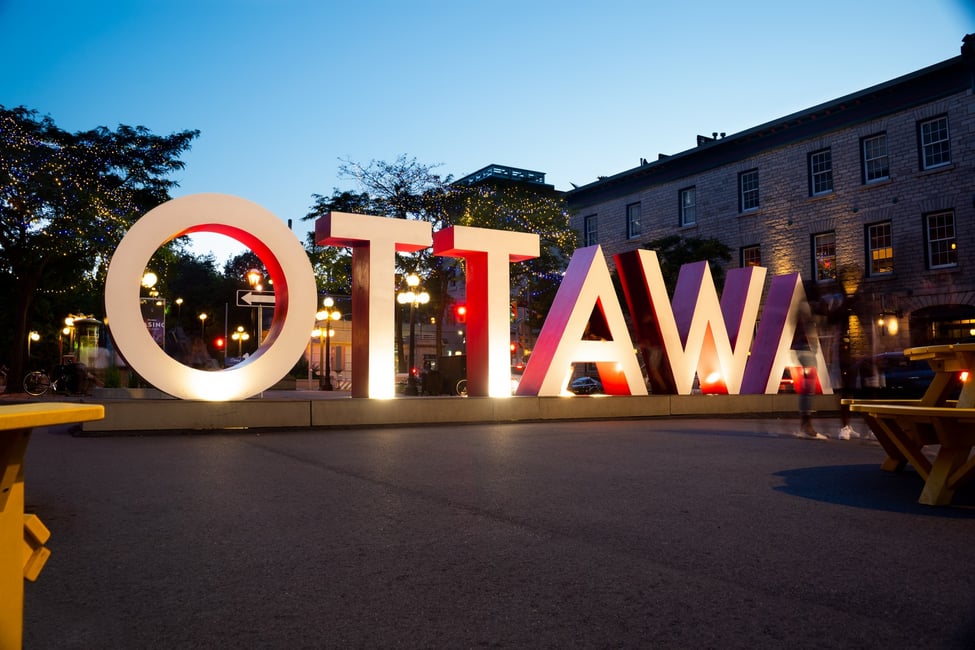
Investing in rental property in Ottawa remains a strong consideration in 2026, but it is no longer a simple “buy and hold = guaranteed returns” market. Conditions have shifted toward a more balanced environment where success depends heavily on location, financing strategy, and long-term planning.
This guide is for investors trying to decide whether Ottawa rental properties still make sense today, and what factors actually determine profitability in the current market.
The Ottawa Rental Market in 2026: What’s Really Happening
Ottawa’s housing market is currently in a balanced phase, meaning neither buyers nor sellers have full control.
Key market realities:
- Home prices have stabilized after previous volatility
- Inventory has increased compared to recent years
- Rent prices remain relatively high and steady
- Demand is supported by government, tech, and education sectors
Average home prices in 2026 are around the mid-$600,000 range, while rents remain elevated, especially for well-located condos and townhomes.
This creates a key investment dynamic: renting demand is strong, but entry costs are also higher than before.
Why Rental Properties Still Work in Ottawa
Even in a more balanced market, Ottawa still has strong fundamentals supporting rental demand.
1. Stable Employment Base
Ottawa is anchored by:
- Federal government jobs
- Large tech employers
- Universities and colleges
This creates consistent tenant demand, even during economic slowdowns.
2. Low Vacancy Risk in Core Areas
Rental demand remains tight in many neighbourhoods, especially:
- Centretown
- Downtown core
- Kanata tech corridor
- Established suburban communities
Low vacancy rates help reduce long downtime between tenants.
3. Strong Long-Term Population Growth
Population growth continues to support housing demand, especially from:
- New immigrants
- Young professionals
- Government relocations
This keeps rental properties consistently occupied over time.
Where Rental Properties Perform Best in Ottawa
Not all areas perform the same. Location is the most important factor in 2026.
Centretown and Downtown Core
Centretown
Best for:
- Condos and small multi-units
- Professional tenants
- Shorter vacancy cycles
Strength: High rental demand
Tradeoff: Lower cash flow margins in some cases
Kanata Tech Corridor
Kanata
Best for:
- Townhomes and single-family rentals
- Tech professionals
- Longer-term tenants
Strength: Stable, higher-income tenant base
Barrhaven and Orléans
Barrhaven and Orléans
Best for:
- Family rentals
- Long-term occupancy
- Lower entry prices than central Ottawa
Strength: Strong tenant retention and predictable demand
The Real Financial Trade-Off in 2026
Buying a rental property today is less about quick appreciation and more about long-term structure.
Pros:
- You build equity over time instead of paying rent
- Rent increases can improve cash flow
- Property values tend to remain stable long-term
- You gain a physical, leveraged asset
Cons:
- Higher interest rates affect monthly cash flow
- Maintenance and taxes reduce net returns
- Entry costs are significantly higher than renting
- Not all properties cash flow positively immediately
The Biggest Mistake New Investors Make
The most common mistake in 2026 is expecting:
“Positive cash flow from day one in every property.”
In reality, many Ottawa rental properties require:
- Strategic down payments
- Longer holding periods
- Market-driven rent adjustments over time
Successful investors focus less on immediate profit and more on long-term equity growth + tenant stability.
When Buying a Rental Property Makes Sense
Buying in Ottawa tends to make sense if:
- You plan to hold the property for 5–10+ years
- You can handle short-term cash flow fluctuations
- You choose a high-demand rental area
- You are financially stable beyond mortgage payments
It is less suitable if:
- You need immediate high monthly profit
- You plan to sell within a few years
- You are highly leveraged without buffer savings
So, Is It Worth It?
In 2026, Ottawa rental properties are still worth it—but only under the right conditions.
The market is not about rapid gains anymore. Instead, it rewards:
- Smart location selection
- Conservative financing
- Long-term holding strategies
Investors who treat it like a long-term asset rather than short-term income typically perform better.
Frequently Asked Questions (FAQ)
Is Ottawa a good city for rental property investment in 2026?
Yes. Ottawa remains stable due to government employment, tech growth, and consistent population demand. These factors support long-term rental occupancy and income reliability.
Do rental properties in Ottawa still cash flow in 2026?
Some do, but not all. Cash flow depends heavily on purchase price, interest rates, and neighbourhood selection. Suburban townhomes often perform better than high-priced condos.
Which areas in Ottawa are best for rental income?
Centretown, Kanata, Barrhaven, and Orléans are commonly strong rental markets due to tenant demand and employment access.
Are house prices in Ottawa expected to rise?
Forecasts suggest moderate growth rather than rapid increases, as the market remains balanced with steady demand.
Is it better to buy a condo or house for rental in Ottawa?
Condos are easier to manage and often located in high-demand areas, while houses may offer stronger long-term appreciation and family tenant stability.
What is the biggest risk of buying a rental property?
The biggest risks are over-leveraging, poor location selection, and underestimating ongoing costs like maintenance, taxes, and vacancies.
Buying a rental property in Ottawa in 2026 can still be a strong wealth-building strategy, but it requires more discipline than in previous market cycles. The focus has shifted from short-term returns to long-term stability and strategic property selection.
If you’re considering entering the Ottawa rental market and want clarity on which property type or neighbourhood fits your goals, a short planning conversation can help you avoid costly missteps and identify the strongest opportunities available right now.

