
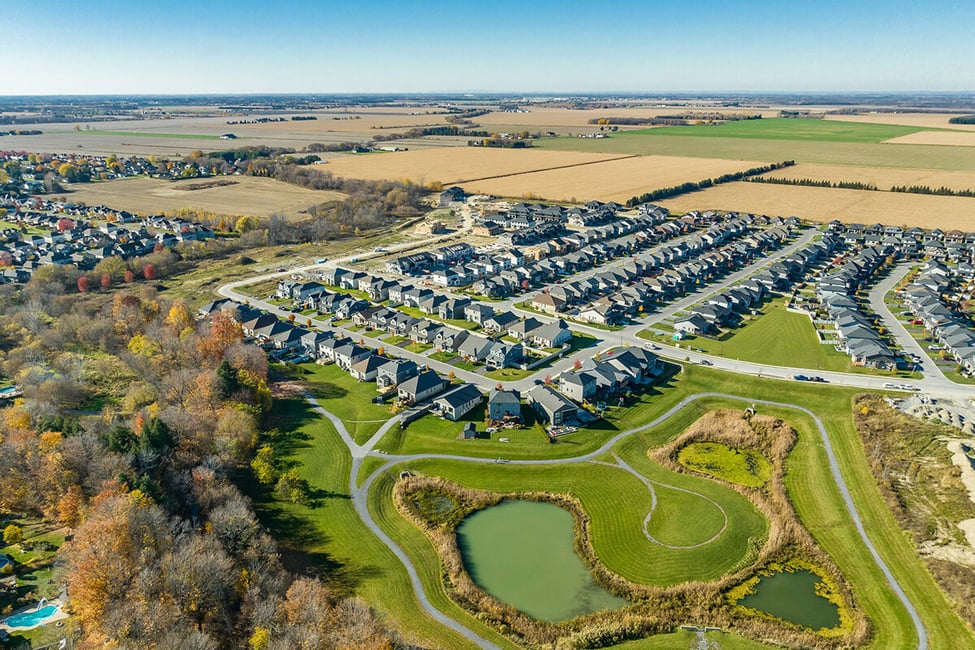
If you’ve been following the Ottawa housing market, you might have noticed something wild: new builds under $800K are selling insanely fast—even with tiny lots. This post is for buyers, sellers, and curious observers who are trying to make sense of today’s market. Here’s what’s really going on and why these properties are moving so quickly.
Tiny Lots, Massive Demand
I recently visited a new build in Kanata that perfectly illustrates the trend:
- Front yard: about 6 feet wide, basically a patch of dirt
- Side yards: nearly touching the neighbor on either side
- Backyard: enough for maybe a small patio, if you’re lucky
And yet… people were lined up just to submit offers. Within days, it was gone. Offers were over asking, no contingencies. Buyers were practically fighting for dirt.
Why Are Buyers Still Lining Up?
Despite the obvious downsides, demand remains high. Some reasons include:
- Affordability – For under $800K, these homes are among the most attainable in Ottawa.
- New Construction Appeal – Modern finishes, energy efficiency, and low maintenance make these homes attractive.
- Market Pressure – Many buyers feel they have to act quickly or miss out completely.
- Long-Term Investment Mindset – Even small lots in growing areas like Kanata can hold value over time.
Basically, the combination of scarcity, price, and new construction creates a frenzy—even if the lot is tiny.
The Trade-Offs Are Real
Buying these homes isn’t without compromise:
- Space Limitations – Small yards mean limited outdoor space for kids, pets, or entertaining.
- Proximity to Neighbors – Privacy is minimal; houses are packed close together.
- Lifestyle Adjustments – If you want a BBQ, a garden, or a proper play area, you’ll need to adjust expectations.
- Resale Considerations – Tiny lots might affect long-term resale value, especially for growing families.
It’s a classic case of getting the house you want but sacrificing the lifestyle you might need.
What This Means for Buyers
If you’re shopping for a new build under $800K right now:
- Be prepared to act fast. These homes often sell in days.
- Know your non-negotiables. If lot size matters, you might have to expand your budget or consider resale homes.
- Understand the trade-offs between price, location, and lifestyle.
- Consider whether you’re buying for ownership enjoyment or investment speculation.
What This Says About the Ottawa Market
This trend highlights a few broader market realities:
- High demand + limited inventory = fierce competition
- Entry-level homes are extremely hot
- Buyers are willing to compromise on lot size for price, location, and new finishes
- Developers are maximizing density to meet market demand
In short: Ottawa’s market is competitive, and even tiny lots are moving fast if they meet key criteria.
Frequently Asked Questions
Why are these tiny-lot homes selling so quickly?
They’re affordable, new, and located in popular suburban areas like Kanata. Buyers fear missing out, so demand is intense.
Are tiny lots a long-term problem?
It depends on your lifestyle. For families with kids or pets, small yards can feel restrictive. Resale could be affected if outdoor space is a priority for future buyers.
Should I try to buy one even if the lot is small?
Only if you’re comfortable with the trade-offs: limited outdoor space, close neighbors, and lifestyle adjustments.
Are there alternatives?
Look at slightly older resale homes or consider expanding your budget for a larger lot. Sometimes you can find a better balance of space, price, and location.
Is this trend only in Kanata?
No, similar situations are happening in Barrhaven, Orléans, and other fast-growing suburbs where affordability meets demand.
The Ottawa market under $800K is wild right now. Tiny-lot new builds are selling almost as soon as they hit the market. It’s not about the perfect home—it’s about what buyers are willing to compromise for.
Before jumping in, consider what really matters to you: the brand-new finishes, the location, or the space and lifestyle that comes with the lot.
If you want guidance navigating this market, understanding trade-offs, or identifying options that balance price and lifestyle, a short strategy conversation can help you make a confident decision.

