
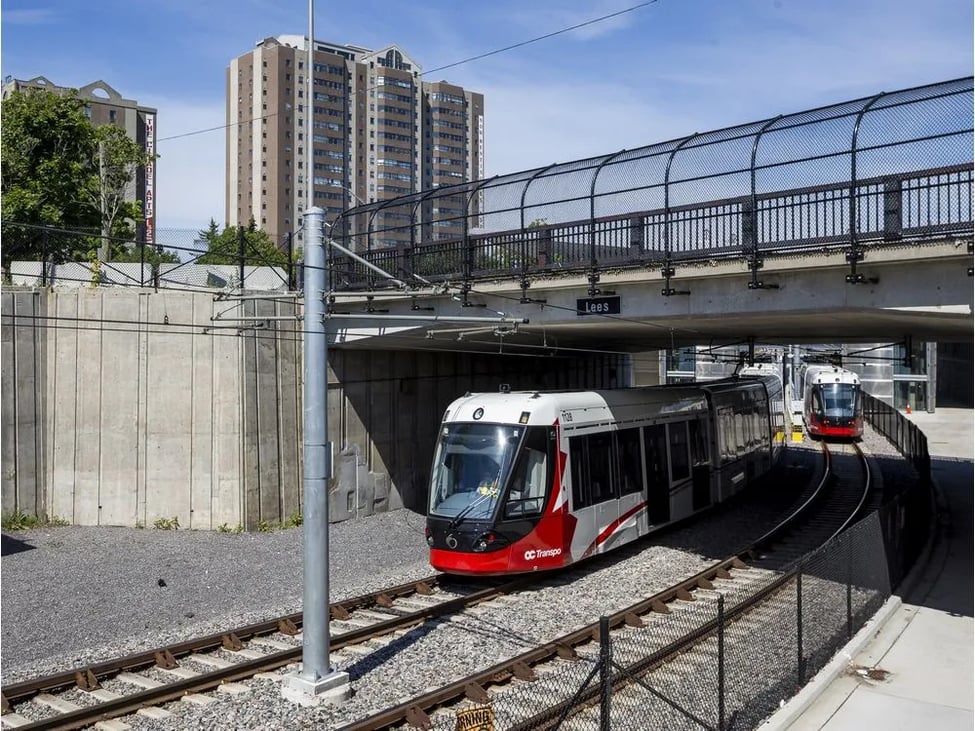
Ottawa’s Light Rail Transit (LRT) network is transforming the city’s real estate landscape—one station at a time. With the Stage 2 expansion now underway, including the newly opened South extension and the airport shuttle connection, buyers, sellers, and investors are asking the same question: How will this shape the future of property values in the capital?
The Expansion at a Glance
The Stage 2 LRT expansion will add nearly 44 kilometers of new rail and 24 stations to the existing O-Train system. This includes:
South Extension: Running from Greenboro to Riverside South, with a branch to Ottawa International Airport.
East Extension: Extending the Confederation Line from Blair to Trim in Orléans.
West Extension: Taking the Confederation Line from Tunney’s Pasture to Moodie Drive and Algonquin College.
When completed, 70% of Ottawa residents will live within 5 kilometers of a station—making car-free commuting a realistic option for thousands.
Why Transit Access Matters in Real Estate
Decades of urban studies confirm it: homes and businesses near reliable transit hubs command higher demand and, often, higher prices. Ottawa is no exception. LRT connectivity brings three major real estate benefits:
Increased Property Values – Proximity to a station can boost resale value, especially in neighborhoods where car commutes were once the only option.
Rental Appeal – Renters prioritize ease of commute. Landlords with properties near new stations can expect stronger demand and potentially higher rents.
Community Growth – Transit corridors often attract new retail, dining, and mixed-use developments, creating more vibrant, livable neighborhoods.
Neighbourhoods Poised for Growth
As the LRT expands, certain areas stand out as high-opportunity zones:
Riverside South – Once considered a suburban outlier, it’s now directly linked to downtown and the airport.
Orléans East (Trim Road area) – Improved transit access could make this already family-friendly community even more appealing to first-time buyers.
Algonquin College & Surrounding Neighbourhoods – Enhanced connections to the west mean more student housing demand and increased rental investment potential.
Moodie & Kanata North – Tech hub employees will have faster transit options, potentially easing pressure on road traffic and expanding housing demand.
Investor Takeaways
For investors, the LRT expansion is a signal to start scouting opportunities before the market fully prices in the benefits of transit access.
Buy-and-Hold Strategy: Purchasing now in emerging transit-linked neighborhoods can lead to long-term appreciation.
Transit-Oriented Rentals: Target properties within walking distance (under 800 meters) of new stations for optimal rental yields.
Mixed-Use Potential: Watch for zoning changes around stations, as these often pave the way for higher-density and commercial opportunities.
What It Means for Buyers and Sellers
Buyers: Consider the “future commute” factor—how close will your potential home be to a station in 2–3 years?
Sellers: If your home is near a new or planned LRT station, highlight this in your marketing—it’s a proven selling point that can justify premium pricing.
The Bottom Line
Ottawa’s LRT expansion isn’t just a transit project—it’s a catalyst for real estate transformation. From boosting property values to reshaping entire communities, the ripple effects will be felt across the city for decades.
If you’re looking to buy, sell, or invest, now is the time to align your real estate strategy with Ottawa’s evolving transit map. The train is leaving the station—literally—and those who act early may reap the biggest rewards.
Contact me for a free, no-obligation market consultation—and let’s turn Ottawa’s transit growth into your next real estate win.

