
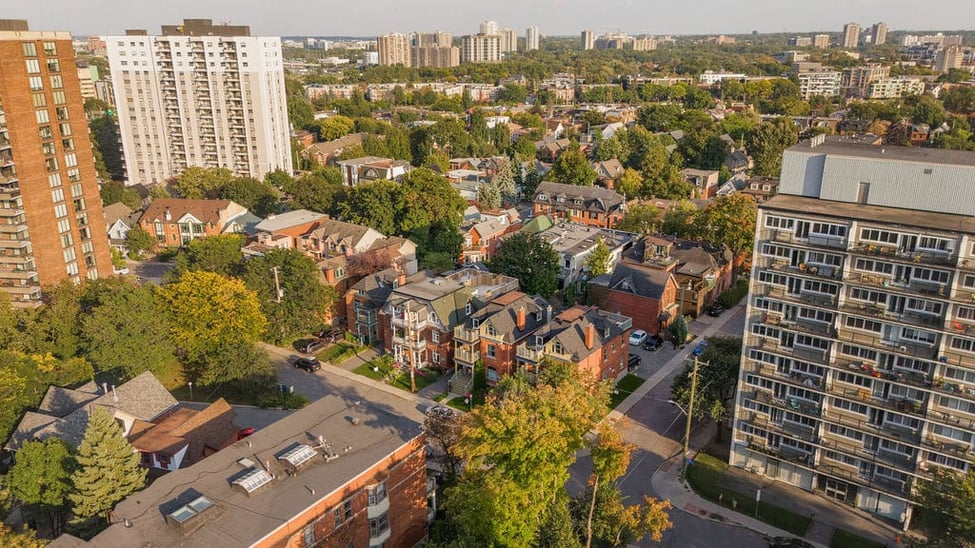
This guide is for families deciding between urban and suburban living in Ottawa. It compares lifestyle, space, costs, and long-term considerations across neighbourhoods. Understanding these differences helps buyers choose a location that supports daily routines and future needs.
How Family Priorities Shape Location Choices in Ottawa
Families in Ottawa are balancing space, convenience, affordability, and community connection. The right choice depends on how each household lives day to day and what they value most over time.
Key decision factors include:
Commute patterns and transit access
Space requirements and layout flexibility
School access and community amenities
Budget and long-term housing costs
Urban Living: Convenience and Community Access
Urban neighbourhoods offer proximity to amenities, services, and transit. Families who prioritize daily convenience and walkability often choose central locations.
Common Advantages
Walkable access to shops, parks, and services
Shorter commutes for many workplaces
Strong neighbourhood identity and local culture
Reduced reliance on a car
Areas such as Centretown, Glebe, and Hintonburg are frequently considered by families seeking convenience and community interaction.
Common Trade-Offs
Smaller homes or limited outdoor space
Higher price per square foot
Parking constraints in some locations
Urban living often prioritizes accessibility over size.
Suburban Living: Space and Predictability
Suburban neighbourhoods appeal to families seeking larger homes, quieter surroundings, and long-term space for growth.
Common Advantages
Larger homes and lots
Family-oriented community design
More predictable housing costs relative to size
Access to schools and recreation facilities
Neighbourhoods such as Barrhaven, Kanata, and Orleans often attract families prioritizing space and practicality.
Common Trade-Offs
Longer commute times for some workplaces
Greater reliance on driving
Less immediate access to central amenities
Suburban living typically prioritizes space and stability over proximity.
Cost Considerations: Value Depends on Priorities
Urban and suburban homes differ not only in price but in how value is structured.
Families should evaluate:
Price per square foot versus total home size
Transportation costs and commuting time
Maintenance requirements and property taxes
Long-term resale appeal
The best value is determined by how well a location supports daily life and future plans.
Lifestyle Fit by Family Stage
Different life stages often influence whether urban or suburban living feels more practical.
Early-stage families may prioritize:
Affordability and manageable space
Access to services and childcare
Growing families often prioritize:
Additional bedrooms and flexible layouts
Access to parks and recreation
Established families may prioritize:
Community stability
Convenience and reduced commute stress
No single option suits every household.
How to Decide Between Urban and Suburban Ottawa
Map Daily Routines
Evaluate commute patterns, school access, and essential services.Define Space Requirements
Focus on functional needs rather than maximum size.Compare Long-Term Costs
Include transportation, maintenance, and future flexibility.Assess Community Fit
Consider how each neighbourhood supports lifestyle and connection.
Frequently Asked Questions About Urban vs. Suburban Living in Ottawa
Is urban living more expensive than suburban living in Ottawa?
Urban homes often cost more per square foot, while suburban homes may offer more space for the price. Overall affordability depends on lifestyle and commuting costs.
Are suburban neighbourhoods better for families?
Suburban areas typically provide more space and family-oriented infrastructure, but urban areas offer convenience and strong community access.
Do urban neighbourhoods in Ottawa still attract families?
Yes. Walkability, transit access, and proximity to amenities continue to attract families to central areas.
How does commute time influence the decision?
Commute patterns significantly affect daily routine and long-term satisfaction. Buyers should evaluate travel time realistically.
Which option offers better long-term value?
Both can offer strong value depending on location, demand, and how well the home aligns with lifestyle needs.
Can families transition between urban and suburban living over time?
Yes. Many families adjust location preferences as space needs, work patterns, and lifestyle priorities change.
Choosing between urban and suburban living in Ottawa is ultimately about alignment with lifestyle, priorities, and long-term goals. Families who evaluate both daily routines and future needs make more sustainable housing decisions.
If you want to compare neighbourhoods based on your family’s priorities and budget, a brief strategy conversation can help you evaluate options with clarity.

