
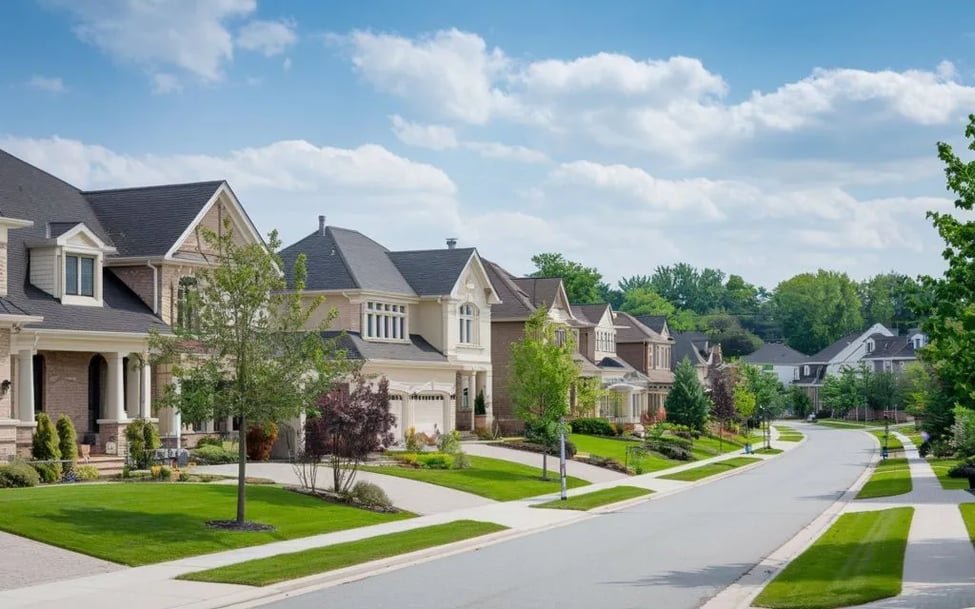
This guide is for buyers and sellers in Ottawa who want to understand what drives neighbourhood demand and home values. It explains the key factors that influence desirability—beyond price—and how these vary across the city. Knowing what buyers prioritize helps you choose the right area or position a home effectively in today’s market.
Location Still Sets the Foundation
“Location” remains the most consistent driver of desirability, but in Ottawa it means more than proximity to downtown.
Buyers evaluate:
- Distance to employment hubs and commute routes
- Access to public transit (LRT, major bus corridors)
- Connectivity to main roads and highways
Central areas like Centretown and Glebe often appeal for convenience, while suburbs such as Kanata, Barrhaven, and Orléans attract buyers seeking space with reasonable access to key routes.
Schools and Family Infrastructure
For many households, school access is a primary factor when choosing a neighbourhood.
What buyers look for:
- Availability of public, Catholic, and French immersion schools
- Proximity to childcare and daycare centres
- Safe streets and family-oriented planning
Neighbourhoods with strong school access tend to maintain consistent demand over time.
Walkability and Daily Convenience
Walkability has become increasingly important, especially for buyers who want to reduce reliance on driving.
Key features include:
- Grocery stores, cafés, and essential services nearby
- Parks, trails, and recreational spaces
- Sidewalks and pedestrian-friendly streets
Areas like Hintonburg and Glebe are often associated with higher walkability and lifestyle convenience.
Housing Type and Neighbourhood Character
The mix of housing styles influences both affordability and long-term appeal.
Buyers consider:
- Detached homes vs. townhomes vs. condos
- Architectural style and neighbourhood consistency
- Density and overall streetscape
Some buyers prefer established neighbourhoods with character, while others look for newer developments with modern layouts.
Community Feel and Lifestyle Fit
Desirability is not only about physical features—it also includes how a neighbourhood feels to live in.
Important elements include:
- Sense of community and neighbour interaction
- Noise levels and pace of life
- Local events and community engagement
Different areas across Ottawa offer different lifestyles, from urban energy to quieter suburban living.
Access to Green Space and Recreation
Outdoor access plays a significant role in Ottawa, especially given seasonal lifestyle patterns.
Buyers often prioritize:
- Nearby parks and playgrounds
- Walking and cycling trails
- Proximity to rivers, greenbelts, or conservation areas
Suburban areas like Orléans and Barrhaven often provide more space, while some urban neighbourhoods offer well-integrated parks and pathways.
Future Development and Long-Term Value
Neighbourhood desirability is also influenced by what’s planned, not just what exists today.
Key considerations:
- Upcoming infrastructure projects
- New schools or commercial developments
- Zoning changes or intensification
Areas with planned growth can see increased demand, but buyers also assess how development may affect traffic and density.
Affordability and Value Perception
Affordability plays a role in desirability, but it is closely tied to perceived value.
Buyers evaluate:
- Price relative to location and amenities
- Long-term resale potential
- Trade-offs between space, commute, and lifestyle
Neighbourhoods that balance these factors tend to remain competitive.
Practical Steps for Evaluating a Neighbourhood
- Visit at Different Times
Observe traffic, noise, and activity levels. - Map Daily Routines
Consider commute, school access, and essential services. - Review Comparable Sales
Understand how the market values homes in the area. - Assess Long-Term Fit
Think about how the neighbourhood supports future needs.
Frequently Asked Questions
What is the most important factor in neighbourhood desirability?
Location remains the primary factor, but it includes commute, amenities, schools, and lifestyle fit.
Do schools significantly impact home values in Ottawa?
Yes. Access to well-regarded schools often contributes to sustained demand and stable property values.
Are suburban neighbourhoods less desirable than urban ones?
Not necessarily. Suburban areas offer space and affordability, while urban areas offer convenience. Desirability depends on buyer priorities.
How does walkability affect property value?
Neighbourhoods with higher walkability often attract more buyers, which can support stronger demand and pricing.
Should I consider future development when buying?
Yes. Planned infrastructure and growth can influence both value and quality of life.
How can I tell if a neighbourhood will hold its value?
Look at historical demand, school access, location, and ongoing development. These factors often indicate long-term stability.
A desirable neighbourhood in Ottawa is defined by a combination of location, lifestyle, and long-term value. Buyers who evaluate these factors carefully are more likely to choose areas that support both daily living and future goals.
If you want a clearer understanding of which Ottawa neighbourhoods align with your priorities, a brief strategy conversation can help you evaluate options with confidence.

