
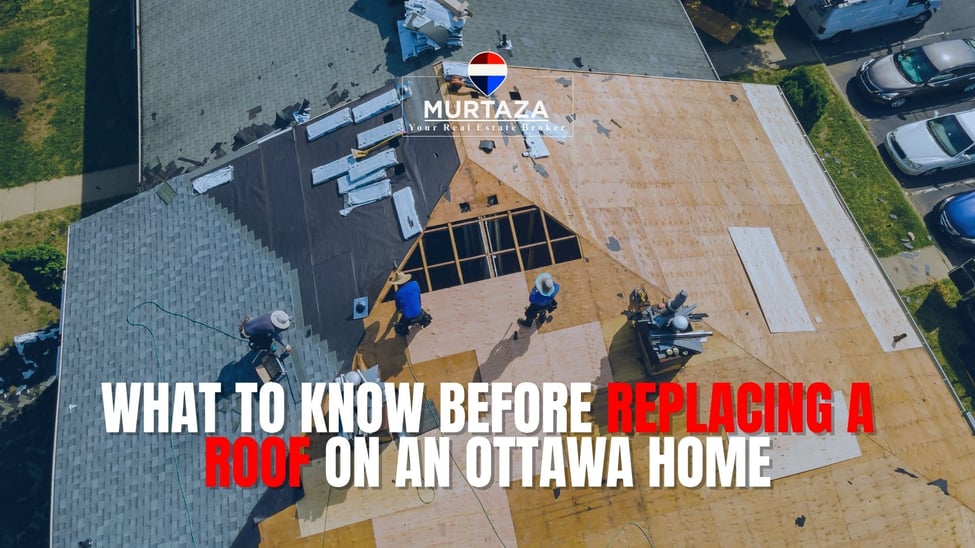
Replacing a roof is one of the biggest maintenance projects many homeowners will face.
Your roof plays an important role in protecting your home from rain, snow, wind, moisture, and Ottawa's changing weather conditions. Over time, shingles and other roofing components can wear out and eventually need to be repaired or replaced.
If you're thinking about replacing a roof on an Ottawa home, it helps to understand the condition of your current roof, the materials available, the scope of the work, and whether any additional repairs may be needed.
Here are some important things to know before starting the project.
Know the Signs That Your Roof May Need Attention
A roof does not always need to be completely replaced at the first sign of a problem.
However, homeowners should pay attention to signs that the roofing system may be reaching the end of its useful life or requires professional assessment.
Some signs may include:
- Missing or damaged shingles
- Curling or cracked shingles
- Water stains inside the home
- Leaks
- Damaged flashing
- Visible wear around roof features
- Granules collecting in gutters
- Areas of the roof that appear damaged or uneven
If you notice signs of water entering the home, it is important to address the issue promptly.
A roofing professional can assess whether the problem can be repaired or whether a full replacement should be considered.
Consider Ottawa's Weather Conditions
Ottawa homeowners know that roofs need to deal with very different weather conditions throughout the year.
A roof may be exposed to:
- Heavy snow
- Rain
- Freezing temperatures
- Ice
- Wind
- Rapid temperature changes
- Summer heat
Ontario's Building Code requires roofing and flashing to be installed in a way that effectively sheds water, prevents water and moisture from entering the building, and minimizes water ingress caused by ice damming.
This is one reason why proper installation matters just as much as the roofing material you choose.
Choose the Right Time for the Project
Timing can affect the scheduling and completion of a roofing project.
Weather conditions may make certain times of the year more practical for roofing work than others.
Before scheduling a replacement, consider:
- Weather conditions
- Contractor availability
- The condition of your existing roof
- Whether there is an active leak
- Your budget and timeline
If your roof is actively leaking or has suffered significant damage, waiting for the ideal season may not be practical.
A professional can help determine whether immediate repairs are needed to protect the home.
Understand the Different Roofing Materials
There are several roofing materials available, and the right option can depend on your home's design, budget, and long-term plans.
Common options may include:
- Asphalt shingles
- Metal roofing
- Other specialized roofing systems
Asphalt shingles are commonly used on residential homes, but buyers and homeowners should consider more than appearance when choosing a material.
Questions to ask include:
- How long is the expected warranty?
- What maintenance is required?
- Is the material appropriate for the home's roof design?
- How does the cost compare with other options?
- What is included in the installation?
Ontario's Building Code also sets requirements for roofing materials and their installation.
Get More Than One Estimate
Roof replacement can be a significant expense.
Before choosing a contractor, consider getting multiple detailed estimates.
A good estimate should help you understand what work is included.
Ask whether the quote covers:
- Removal of existing roofing materials
- New shingles or roofing materials
- Underlayment
- Flashing
- Ventilation work
- Disposal of old materials
- Repairs to damaged sheathing
- Cleanup
Comparing estimates based only on the final price can be misleading.
A lower quote may include a different scope of work than a higher one.
Make sure you understand exactly what each contractor is proposing.
Ask What Happens If Hidden Damage Is Found
Sometimes problems are discovered only after the existing roof covering is removed.
For example, a contractor may find damaged roof sheathing or other components that need attention.
Before work begins, ask:
- How will additional damage be handled?
- Will you be contacted before extra work is completed?
- How will additional costs be calculated?
- Is there a process for approving changes?
Understanding this in advance can help prevent unexpected disagreements or costs during the project.
Don't Overlook Roof Ventilation
A new roof is not just about installing new shingles.
Ventilation can also play an important role in the overall roofing system.
Poor ventilation may contribute to moisture and heat-related problems within the attic space.
When replacing your roof, ask the contractor to assess whether the existing ventilation system is appropriate and whether any improvements should be considered.
Check Whether a Building Permit Is Required
For a straightforward replacement of asphalt shingles, the City of Ottawa lists installing asphalt shingles on a roof among projects that generally do not require a building permit.
However, the situation can be different if the project involves structural repairs or alterations.
The City of Ottawa notes that structural repairs or alterations can require a building permit, and its guidance specifically identifies work involving structural framing—including trusses and rafters—as work that may require a permit.
If your roofing project involves more than replacing the roof covering, check the requirements before work begins.
When in doubt, homeowners can contact the City of Ottawa's Building Code Services for clarification.
Check the Contractor's Credentials and Insurance
Before hiring someone to replace your roof, do your research.
Ask questions about:
- Experience
- Insurance coverage
- Workplace safety coverage
- References
- Written contracts
- Warranties
A roof replacement is a major project, so it is worth taking the time to understand who will be working on your home.
Do not feel pressured to choose a contractor simply because they are the first company to provide an estimate.
Understand the Warranty
There may be more than one type of warranty involved in a roofing project.
For example, there may be:
- A manufacturer's warranty on the roofing materials
- A workmanship warranty from the contractor
Ask what each warranty covers and how long it lasts.
You should also ask whether there are any conditions that could affect the warranty.
Keep copies of your:
- Contract
- Invoice
- Warranty documents
- Product information
- Records of repairs
These documents may also be useful when you eventually sell your home.
Prepare Your Home Before the Work Begins
Roof replacement can be noisy and disruptive.
Before the project starts, prepare your property and household.
You may want to:
- Move vehicles away from the work area
- Protect outdoor furniture
- Remove fragile items from walls if necessary
- Keep pets away from the construction area
- Inform neighbours about the upcoming work
- Make arrangements for children or pets who may be sensitive to noise
Ask the contractor what preparation they recommend before the work begins.
Think About the Cleanup Process
Removing an old roof can create a significant amount of debris.
Before signing a contract, ask:
- How will old materials be removed?
- How will landscaping be protected?
- How will nails and debris be collected?
- Who is responsible for final cleanup?
Understanding the cleanup process can help you know what to expect once the work is complete.
Consider Your Long-Term Plans for the Home
Your plans for the property may influence the type of roofing material and investment you choose.
If you plan to stay in the home for many years, you may prioritize durability and long-term performance.
If you are planning to sell in the near future, replacing a visibly worn or damaged roof may improve the overall condition and presentation of the property.
However, homeowners should avoid assuming that every renovation will automatically return its full cost at resale.
The right decision depends on the home's condition, the local market, and your individual goals.
A Roof Replacement Can Be an Important Part of Home Maintenance
Replacing a roof can feel like a major expense, but keeping the roof in good condition is an important part of protecting the rest of your home.
Delaying necessary repairs may allow water and moisture problems to become more serious.
The key is to understand the scope of the work, choose qualified professionals, and make sure you know what is included before signing a contract.
Questions to Ask Before Replacing Your Roof
Before moving forward, consider asking:
- Does my roof need repair or full replacement?
- What materials are being recommended?
- What is included in the quote?
- Will the old roofing be removed?
- Will damaged sheathing be repaired if necessary?
- Is flashing included?
- Does the ventilation need to be assessed?
- Is a permit required for the scope of work?
- What warranties are provided?
- How will cleanup be handled?
Having clear answers can help you make a more informed decision.
Protecting Your Ottawa Home Starts From the Top
A roof replacement is a significant home maintenance project, but good planning can make the process more manageable.
Take the time to understand the condition of your roof, compare detailed estimates, review the scope of work, and ask questions before making a decision.
A properly planned project can help protect your home and give you greater confidence in one of its most important systems.
Thinking About Selling an Ottawa Home That Needs a New Roof?
If you're planning to sell and are unsure whether replacing your roof before listing makes sense, Murtaza Homes can help you evaluate your options based on your home's condition and the current Ottawa real estate market.
Contact Murtaza Homes to discuss your home and plan the right next steps before listing.
This article is for general informational purposes only and is not construction, legal, or professional roofing advice. Permit requirements and building regulations can vary depending on the scope of work. Always confirm requirements with the appropriate authorities and consult qualified professionals before starting a roofing project.

