
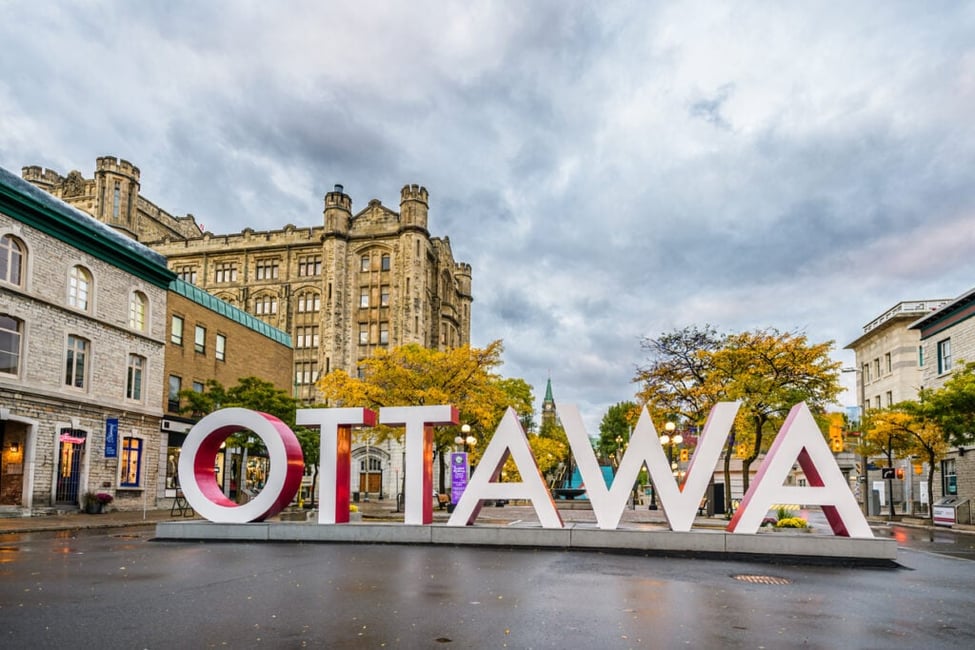
Not all Ottawa neighbourhoods move at the same speed when it comes to home price growth. In 2026, some areas are seeing stronger appreciation, while others remain relatively flat due to supply levels, housing type, and buyer demand.
This guide explains why certain neighbourhoods are outperforming others, which areas are leading growth, and what factors actually drive appreciation in Ottawa’s real estate market.
The Key Idea: Appreciation Is Local, Not City-Wide
Ottawa is often described as a “stable market,” but that stability hides important differences between neighbourhoods.
In reality:
- Some areas are still appreciating steadily
- Some are stabilizing after rapid growth
- Some are adjusting due to higher inventory or condo supply
Understanding these differences is critical for both buyers and sellers.
1. Supply and Demand Imbalance
The most important driver of appreciation is simple: how many homes are available versus how many buyers want them.
Neighbourhoods with faster appreciation often have:
- Limited housing inventory
- High buyer competition
- Low turnover (people don’t move often)
Example in Ottawa:
- The Glebe and Centretown often have fewer listings, which supports stronger price resilience
- Mature suburban pockets with limited redevelopment also benefit from low supply
When supply is tight, prices tend to rise faster.
2. Neighbourhood Type and Housing Mix
Different types of neighbourhoods behave differently in the market.
Detached-home-heavy areas:
- More stable appreciation
- Strong long-term demand
- Less volatility
Condo-heavy areas:
- More sensitive to supply shifts
- Slower appreciation in some segments
- Greater variation between buildings
For example:
- Kanata and Barrhaven detached communities tend to hold steady growth
- Some condo-heavy parts of downtown Ottawa experience slower movement depending on inventory levels
3. Proximity to Employment and Transit
Location still plays a major role in appreciation.
Neighbourhoods closer to:
- Government employment hubs
- LRT stations and transit corridors
- Downtown Ottawa employment zones
…tend to see stronger demand consistency.
Strong performers include:
- Centretown
- Hintonburg
- Glebe (due to proximity and lifestyle appeal)
Access reduces commuting friction, which supports long-term value.
4. Lifestyle Demand and “Walkability Premium”
Neighbourhoods with strong lifestyle appeal often outperform purely suburban areas.
Buyers are willing to pay more for:
- Walkable streets
- Cafés, shops, and restaurants nearby
- Parks and recreational access
- Community feel and character
This is why areas like Hintonburg and the Glebe often maintain stronger appreciation trends compared to more car-dependent communities.
5. New Development vs Established Neighbourhoods
New construction areas and established neighbourhoods behave differently.
New developments (Kanata, Barrhaven, Orléans):
- Strong short-term demand
- Price growth tied to builder supply and interest rates
- More competition between similar homes
Established neighbourhoods (Glebe, Centretown, older Orléans pockets):
- Limited new supply
- Strong land value retention
- More stable long-term appreciation
Scarcity often drives stronger long-term price performance.
6. School Districts and Family Demand
Family-oriented buyers heavily influence appreciation in suburban Ottawa.
Neighbourhoods with:
- Strong school catchments
- Parks and recreation centres
- Safe residential streets
tend to experience more consistent demand.
Examples:
- Orléans family pockets
- Barrhaven subdivisions
- Kanata Lakes and surrounding communities
These areas attract long-term owners, which stabilizes prices.
7. Renovation and Redevelopment Potential
Neighbourhoods with redevelopment potential often appreciate faster over time.
This includes areas where:
- Older homes are being renovated or rebuilt
- Infill development is increasing density
- Zoning allows for long-term transformation
Hintonburg and parts of Centretown are strong examples of this trend.
Why Some Neighbourhoods Are Slower Right Now
Slower appreciation is usually caused by:
- Higher condo inventory in certain downtown segments
- Oversupply of similar suburban listings
- Less differentiation between properties
- Higher sensitivity to interest rates
These factors create more balanced or slower price growth.
The Big Picture: Ottawa Is Becoming a Micro-Market City
Instead of one uniform housing market, Ottawa is now made up of multiple micro-markets:
- Urban lifestyle markets
- Family suburban markets
- Condo-heavy investor markets
- Emerging development zones
Each behaves differently depending on demand, supply, and buyer profile.
The Key Insight Most Buyers Miss
Price growth is not random—it follows scarcity, lifestyle demand, and long-term livability trends.
Neighbourhoods that combine:
- Low supply
- Strong amenities
- Good transit or access
- High owner-occupancy
…tend to appreciate faster and more consistently.
Frequently Asked Questions
Why do some Ottawa neighbourhoods appreciate faster than others?
Because of differences in supply, demand, housing type, and lifestyle appeal. Areas with limited inventory and strong demand tend to rise faster.
Which Ottawa neighbourhoods are appreciating the fastest?
Generally, areas like the Glebe, Hintonburg, and select suburban pockets in Kanata and Orléans show stronger demand stability.
Do condos appreciate slower than houses in Ottawa?
In some segments, yes. Condos can be more sensitive to supply levels and investor activity compared to freehold homes.
Does proximity to downtown affect appreciation?
Yes. Neighbourhoods closer to employment hubs and transit often see stronger long-term demand.
Are suburban areas still good investments?
Yes, especially in family-oriented communities with strong schools and limited inventory.
Will Ottawa prices grow evenly across all neighbourhoods?
No. Ottawa is increasingly a micro-market city where different areas perform differently.
What is the biggest driver of neighbourhood appreciation?
Supply and demand imbalance is the most important factor, followed by location and lifestyle demand.
Let’s Talk About Your Next Move
If you’re comparing neighbourhoods in Ottawa, understanding which areas are gaining value faster can help you make a stronger long-term decision. A short conversation can help you identify where current market momentum is strongest based on your budget and goals.

